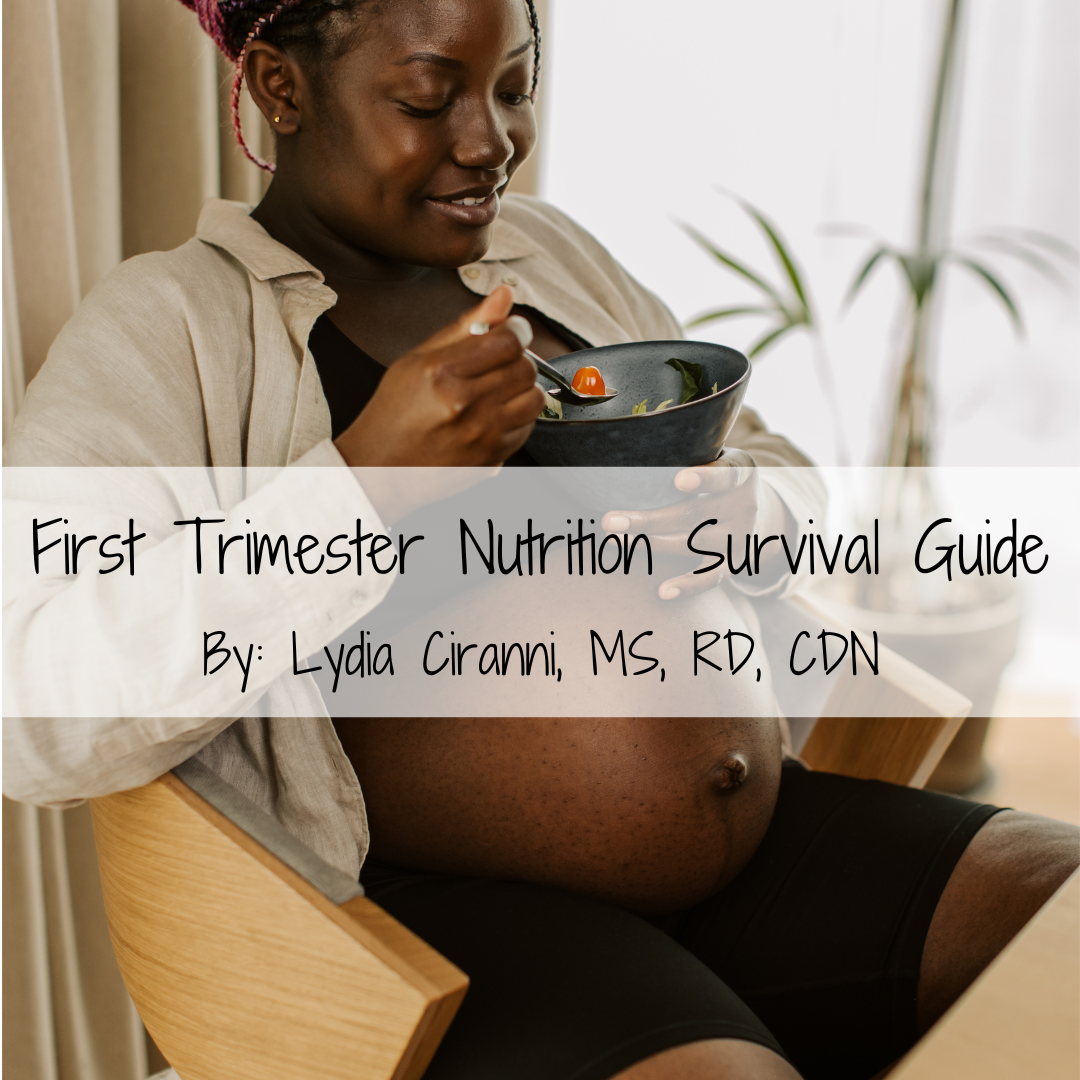
Congratulations, you’re pregnant!
Now what?
Your body starts to feel different, you need to nap every afternoon, your social media feed is full of what you need to eat and not eat, and your stomach roils every time you think of a dish you used to have every week. It’s hard not to think about all the things you need to do when you become pregnant, and how to change your nutrition is usually one we get a lot of questions about. So from one first trimester survivor to another, here is your guide to get you through it!
Food Guidance
“If my baby eats what I eat, then what do they need me to eat?”
Disclaimer: if any of the recommended foods do not feel doable for you with taste aversions, try not to be too hard on yourself! Your body is doing incredible work making your baby *from scratch*. If you’re concerned that you might be missing nutrients in your diet, talk with your dietitian to see if there are ways to fill in any gaps with your daily intake.
Animal Products – Animal foods can be some of the best ways to get in important nutrients in early pregnancy, including protein, iron, B12, choline, and omega-3 fats, specifically DHA.1 These support Mom’s energy levels, red blood cell production, and baby’s early development, especially their nervous system and brain. Some specific ways to incorporate these foods:
- Slow‑Cooked Meats & Bone Broth: While other meat options are a great source of protein, iron, and vitamin B12, these specific foods provide pregnancy-supportive nutrients like glycine and collagen, and can be simple to add to a variety of recipes. Some examples include shredded chicken, pot roast, soups, a cup of bone broth alone or added to rice or other dishes for flavor and an added nutrition boost.
- Eggs: Eggs provide protein and choline in a small package. Try with hard‑boiled eggs, egg muffins, or French toast if scrambled eggs are not appealing right now.
- Fish & Shellfish: These are great sources of omega-3 fatty acids, iodine, and protein, among other important nutrients for baby’s development. Some of the best choices include salmon, trout, haddock, sole, cod, and canned light tuna. A few options with these sources are: salmon salad, fish tacos, or canned tuna mixed with mayo and crackers.
- Dairy: If you can tolerate them, dairy products are a good source of protein as well as calcium, iodine, and vitamin D (if fortified) to help build a baby’s skeleton. Great as a sweet or savory meal component, you can incorporate dairy by adding in yogurt with fruit, cheese sticks, cottage cheese with crackers, or smoothies with yogurt, kefir, or milk.
Fruits, Veggies, Whole Grains, and Legumes: Is this any surprise, coming from a dietitian? Though some of these might not always be our go-to choice for meal components or snacks, the benefits are clear – the vitamins, minerals, and carbohydrates are so important for a baby’s growth and development. They’re also important for Mom, too (see constipation section below…).
Nuts and Seeds: Packed with vitamins, minerals, and unsaturated fats, nuts and seeds can offer a host of nutrients for baby’s building blocks. They can also provide fiber to help with Mom’s bowel movements and can be a source of protein as well.
Prenatal vitamins: While not a diet replacement, supplements can be a great way to help give you a bit of a nutritional buffer when it comes to important vitamins and minerals needed for baby’s growth, especially if your eating pattern isn’t the most balanced in the first trimester. To improve tolerance, try to take prenatals with food or adjust timing of dose if you’re noticing that your prenatals affect sleep. Talk with your dietitian about the right prenatal vitamins for you.
What to Limit & Avoid
“Wait… am I allowed to eat this?”
There’s a lot of confusing information about what foods need to be avoided in pregnancy! Here is an evidence‑based, non‑restrictive guide to what’s helpful to limit or avoid for the next few months.
Caffeine: Caffeine products can be enjoyed in moderation in pregnancy, though there are associated risks to Baby if intake is too high. A general recommendation is to limit your intake to <200 mg/day.1 For reference, 8 ounces of coffee is about 100 mg, 8 ounces of black tea is around 30 mg, and an ounce of dark chocolate is about 20-30 mg. If you prefer your coffee with an extra jolt, just know that strongly brewed coffee will have a higher caffeine content.
Alcohol: No safe amount of alcohol is recommended during pregnancy due to Fetal Alcohol Spectrum Disorder risk.1
Raw or undercooked meat, poultry, and shellfish: Most of these foods carry a high risk of foodborne illness.2
High Mercury Fish: There’s a misconception that all seafood is risky – this is not the case! The sources to limit or avoid are ones that are high in mercury, like shark, swordfish, king mackerel, and bigeye tuna.3 The FDA has great information about specific seafood options in this article.
Cold deli meat: You might have heard that you cannot eat deli meat in pregnancy due to the Listeria risk which can pose health risks to Baby. While it’s true that cold deli meats can carry a small risk of Listeria, you can reduce the risk by heating up the deli meat to 165 degrees before eating.2 So yes, you can eat the turkey sandwich – maybe just make it a turkey melt for the next few months.
Unpasteurized products: For all the cheese-lovers out there, I have good news for you – cheeses made from pasteurized milk are safe to eat! That said, riskier choices include queso fresco-type cheese, such as queso fresco, queso blanco, requesón, or similar fresh, soft cheeses.3 Unpasteurized eggs can still be eaten, though can carry the risk of salmonella if not fully cooked. To lower that risk, cook locally sourced eggs thoroughly – avoid making dippy eggs out of these if you can.
Unsafely prepared/stored foods: During pregnancy, your immune system becomes suppressed. If a food is prepared, cooked, or stored improperly, this can increase the risk of foodborne illness, which can come with varying risks to you and/or baby.4 When in doubt, throw it out! For more information, visit this article on FoodSafety.gov’s website.
Herbal supplements: Many herbal products haven’t been well‑studied for safety in pregnancy, and some may pose risks, so it’s best to avoid most of them unless reviewed with your medical provider.5 Share any teas, tinctures, capsules, or powders you’re using with your provider and dietitian so they can give you the most evidence‑based recommendations.
Symptom Management
Constipation
“Let’s just say things have…slowed down.”
Though the spotlight shines on nausea as a common early pregnancy symptom, an estimated 10-40% of women experience constipation in pregnancy, so if this describes your recent bathroom woes – you’re not alone. This can be because of hormonal shifts, slowed gut motility, changes in fluid absorption, or reduced physical activity.1 Suggestions to help relieve some discomfort include the following:
- Increase dietary fiber. Include vegetables, fruits, beans, and whole grains in meals when you can to help improve stool form and speed of transit. Talk with your dietitian about fiber supplements if it’s a challenge to get fiber from food alone.
- Hydrate, hydrate, hydrate. Aim to drink fluids steadily throughout the day. A typical recommendation is about 100 oz of fluid daily, though talk with your dietitian to make sure this makes sense for you. Don’t have time to log your fluid intake? Try to clock your urine color. A pale yellow color is a sign you’re well-hydrated.
- Check your supplements. Iron and calcium can contribute to constipation depending on the form. Your dietitian or medical provider can help you determine whether adjustments or additional support might help.
Nausea and Taste Aversions
“Why do they call it ‘morning sickness’ when I feel sick all day?!”
As you may be finding out the hard way, ‘morning sickness’ can happen at any time of day, not just in the morning. For many, this can be due to different odor or food aversion triggers, and for others it may have to do with dips in blood sugar levels.1 If you notice nausea getting worse the longer you go without eating, or you notice the nausea is really strong after you wake up, this could be a contributing factor. Here are some ways to support you through it:
Suggestions:
- Aim for four to six small, frequent meals rather than three larger meals
- Pair carbohydrate foods with protein, fat, and/or fiber. These sources combined with carbohydrate foods can help stabilize blood sugar between meals and may help with energy levels. For some, protein supplements, including unsweetened protein supplements, can be helpful additions to meals and/or snacks.
- Consider triggers. Common ones include foods that have a strong odor, irregular meal timing, movement (position changes, walking, and standing), and being very hungry or very full.
- Increase Fiber Foods. Carbohydrates, especially higher-fiber options like fruit or rice, may be helpful to prevent nausea from blood sugar dips. And if you’re concerned that your carb intake is a bit on the low-fiber side, I’ll reassure you that carbs, even if they’re not particularly high in fiber, are better than none at all!
- Stock your bedside with snacks. Crackers or another quick carb can help ease morning nausea before you’re able to get up to make something for breakfast.
- Choose cold foods to minimize odors if you notice hot foods with steam are bothering you.
- Prioritize hydration. Bone broth, coconut water, or other electrolyte drinks are especially helpful if you’re vomiting.
- Reach out to your medical provider if you can’t keep anything down!
- Supplements may provide some relief. Ginger tea, crystallized ginger, or adding fresh ginger to smoothies may help. Vitamin B6 has been shown to be just as effective as ginger in some studies. Ask your registered dietitian what form and dose might fit your needs.
Reflux and Heartburn
“Honey, I think my esophagus is on fire!”
Reflux is common in pregnancy due to relaxed esophageal muscles and pressure from the growing uterus.1 Here are some things to keep in mind when trying to manage this nutritionally:
- Limit trigger foods. Common ones to consider include sugary, spicy, acidic foods, caffeine, and dairy.
- Aim for small, frequent meals to reduce the pressure on your stomach from larger volume with less frequent meals.
- Sip fluids. Drinking smaller amounts at a time may reduce discomfort.
- Be mindful of evening intake patterns. Larger meals close to bedtime can worsen reflux. Try earlier, smaller dinners or elevate the head of your bed for relief.
Fatigue and “Pregnancy Brain”
“I can’t prepare dinner like I used to because I’ve been taking a nap after work! How am I supposed to spend time throwing a meal together when I also need to rest?”
Fatigue can make food prep difficult, and the new software update in your brain makes the decision-making around food feel even more impossible. These strategies can help you get enough nutrition while still helping you get the rest you need:
- Stock easy snacks. A shelf in the fridge with cheese sticks, protein drinks, and pre-chopped and washed fruit or a basket in the pantry filled with go-to snacks like granola bars or crackers can make grabbing something to eat less of a struggle.
- Add convenience. Pre-steamed microwaveable grains, pre-cooked proteins, frozen fruit and veggies, and pre-made sauces or seasoning mixes can be useful products when needing to prepare a meal in a hurry. Convenience can also extend beyond the food itself. Having disposable plates and utensils on hand, or asking someone else to take over dish duty, can reduce the mental load of both preparing and cleaning up after a meal.
- Lean on your support system. Is your partner driving by the grocery store after work? Are your friends and family coming to visit? If you’re able to ask them to pick you up something to eat (or if they offer, even better), take them up on it!
- Cater to your taste and texture preferences. Think about what sounds good: something creamy and gooey, or crunchy and crispy? What about salty, sweet, fruity, or sour? From there, if you can, think about how you might be able to achieve some balance with protein, fat, and fiber with what you’re interested in. Breaded chicken instead of shredded? Sounds like an easy protein source! Cooked veggies in a stew or sauce instead of a raw salad? Go for it!
- Hide the “ick” food. If certain foods trigger aversions but you’re aiming for more balance, try adding very small amounts into mixed dishes where the flavor or texture is less noticeable, like adding finely chopped or grated veggies in pasta sauce or pairing eggs with French toast. You can also try strategies like blending spinach into a smoothie, or choosing breaded chicken instead of shredded. Sometimes adding a stronger flavor (like pesto, cheese, or salsa) can help mask the “ick” factor as well. This strategy doesn’t work for everyone, so if it’s not particularly helpful right now, try again in a few weeks. Aversions often subside further along in pregnancy.
- Keep up with regular meals and snacks. This helps to give your brain consistent energy. Protein, fiber, and fats can make the energy last longer than carbohydrates alone.
One Last Bite
It’s okay if nutrition is in “survival mode” right now. Armed with information and practical tips to guide your food decision-making, hopefully you can use these tools to get you through this “tough mother” of a season. Who knows? In the next few weeks, you may find yourself focusing less on what you can and can’t eat and more about baby names and the nursery layout. Here’s hoping your 2nd trimester feels like a breath of fresh air – you deserve every bit of it!
References
- Nichols, L. (2018). Real Food for Pregnancy: The Science and Wisdom of Optimal Prenatal Nutrition. Lily Nichols.
- FoodSafety.gov. (2025, August 14). People at Risk: Pregnant Women. FoodSafety.gov. Retrieved August 3, 2026, from https://www.foodsafety.gov/people-at-risk/pregnant-women
- US Food and Drug Administration. (2024, March 5). Advice about Eating Fish. FDA. Retrieved July 29, 2026, from https://www.fda.gov/food/consumers/advice-about-eating-fish
- Food and Drug Administration. (2018, September 27). Dairy and Eggs (Food Safety for Moms-to-Be). FDA. Retrieved July 23, 2026, from https://www.fda.gov/food/people-risk-foodborne-illness/dairy-and-eggs-food-safety-moms-be
- Office of Women’s Health. (2024, December 5). Pregnancy and medicines. Office on Women’s Health. Retrieved August 4, 2026, from https://womenshealth.gov/a-z-topics/pregnancy-and-medicines