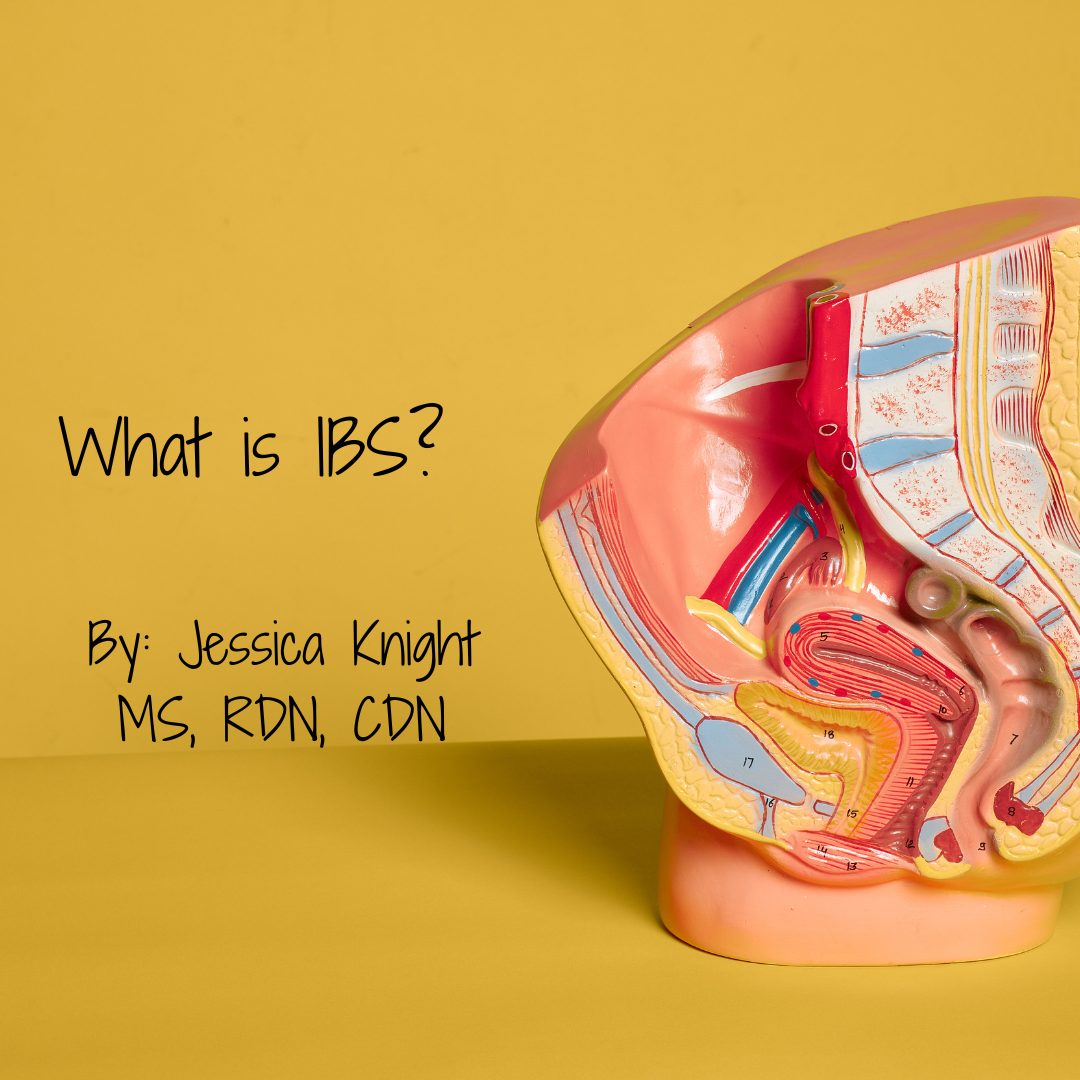
Irritable bowel syndrome (IBS) is a common gastrointestinal disorder characterized by abdominal pain, changes in bowel habits (diarrhea, constipation, or both), bloating, and gas. IBS differs from other GI conditions such as Crohn’s Disease, Ulcerative Colitis, and Celiac Disease in that there is no visible damage to the gut. Disruptions to the gut microbiome, past infections, genetics, hormones, and muscular abnormalities in the gut likely play a role in the development of IBS.¹ ⁴
Although IBS develops from multiple contributing factors, one that is often overlooked involves disrupted communication between the gut and brain due to visceral hypersensitivity – an increased sensitivity of the nerves that supply the GI tract. For individuals with visceral hypersensitivity, the normal pressures of gas and stool on the intestinal walls trigger alarm signals in the nervous system, causing pain and changes to motility.¹ ⁴
How is IBS Diagnosed?
There is no single laboratory or imaging test that definitively proves IBS. Diagnosis is symptom-based and relies on established criteria plus using tests to exclude other causes.
- Rome IV symptom criteria are the current standard for defining IBS:
- Recurrent abdominal pain at least 1 day per week in the last 3 months, associated with two or more of the following
- a change in stool frequency
- a change in stool form
- Symptoms should have started at least 6 months before diagnosis.¹
- IBS is often classified by predominant bowel habit:
- IBS with diarrhea (IBS-D)
- IBS with constipation (IBS-C)
- Mixed IBS (IBS-M)
- Unclassified
- Recurrent abdominal pain at least 1 day per week in the last 3 months, associated with two or more of the following
- Your doctor should take a careful history and order testing to rule out other conditions. Notify your doctor if you are experiencing any “alarm” symptoms (unintentional weight loss, GI bleeding, nighttime bowel movements, or family history of IBD or colorectal cancer).² ³
What are standard treatments?
Treatment should include a combination of approaches that your care team recommends:
- Diet and lifestyle changes
- Increasing soluble fiber
- High fiber foods such as kiwi (with skin!)
- Fiber supplements such as Sunfiber or Benefiber
- Increasing hydration
- Reducing spicy foods or known dietary triggers
- Identifying FODMAP triggers
- Work with a dietitian, excessive restriction can be more harmful than helpful!
- Increasing soluble fiber
- Symptom-directed medications
- Antispasmotics
- Laxatives
- Antacids
- Enzyme supplementation
- Lactaid
- Beano
- Probiotics
- IBS specific strains
- Herbal remedies
- Mint tea
- Iberogast
- Ginger
- Psychological therapies to address the gut-brain interaction²
- Cognitive behavioral therapy
- Gut-focused hypnotherapy (with a therapist or using the Nerva app)
- Mindfulness and stress reduction techniques
Outcomes
IBS is a chronic condition with ever-fluctuating symptoms. It is important to build a supportive medical team who can work with you to design an individualized treatment plan. Be wary of restrictive diets, pseudoscientific interventions, and avoid self-diagnosis. With the right combination of education, diet/lifestyle changes, symptom-directed medications, and psychological therapies, many people achieve meaningful symptom control, or even remission.⁴
References
- The Rome Foundation. Rome IV: Diagnostic Criteria for Functional Gastrointestinal Disorders. Rome Foundation. Published 2016. Accessed November 17, 2025. https://theromefoundation.org/rome-iv/rome-iv-criteria/
- Lacy BE, Mearin F, Chang L, et al. ACG Clinical Guideline: Management of Irritable Bowel Syndrome. Am J Gastroenterol. 2021;116(1):17-44. American College of Gastroenterology. Published 2021. Accessed November 17, 2025. https://webfiles.gi.org/links/virtgrandround/Intl_ACGVGR_Lacy_IBS_Guidelines.pdf
- National Institute for Health and Care Excellence (NICE). Irritable bowel syndrome in adults: diagnosis and management (CG61). NICE. Published February 23, 2008; last updated April 4, 2017. Accessed November 17, 2025. https://www.nice.org.uk/guidance/cg61
- National Institute of Diabetes and Digestive and Kidney Diseases (NIDDK). Irritable bowel syndrome. Updated 2024. Accessed November 17, 2025. https://www.niddk.nih.gov/health-information/digestive-diseases/irritable-bowel-syndrome
- Hung TH, et al. Update in diagnosis and management of irritable bowel syndrome. World J Gastroenterol. 2023; (review). Published 2023. Accessed November 17, 2025. https://pmc.ncbi.nlm.nih.gov/articles/PMC10683518/